Gutter Repair for Older Homes: Special Considerations

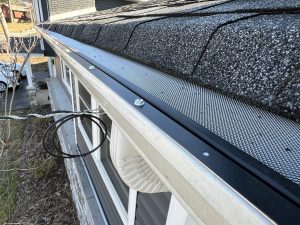
Older homes have a way of teaching humility. What looks like a simple exterior maintenance job often turns into a lesson in old lumber, uneven rooflines, custom millwork, and repairs layered over repairs. Gutters are a perfect example. On a newer house, gutter repair can be fairly straightforward. On a century home, a 1940s bungalow, or even a 1970s house with original trim, the gutter system is tied to details that deserve more care than a quick patch and a few screws.
That matters because gutters do more than catch rain. They protect fascia boards, soffits, foundations, masonry, landscaping, porch ceilings, and in many older homes, basement walls that were never designed to resist persistent water. When the system fails, the damage tends to spread quietly. By the time the homeowner notices peeling paint or dampness near the footing, water may have been spilling in the same place for years.
The challenge with gutter repair on older homes is not just age. It is compatibility. Materials move differently, old wood reacts differently to moisture, roof edges are not always straight, and replacement parts that fit modern systems can look out of place or cause new problems. Good repair work respects the building instead of forcing it into a one-size-fits-all fix.
Why older homes are harder on gutters
A newer gutter system usually benefits from predictable framing and factory-standard dimensions. Older homes rarely offer that convenience. Fascia boards may have minor waves, rafter tails may have shifted, and roof lines that appear level from the street can reveal subtle sagging when you stretch a chalk line.
Those irregularities affect pitch, hanger spacing, and water flow. A crew can install a brand-new section dead level according to a laser, then discover that the water ponds because the house itself has settled in a different direction. On an old house, experience matters more than textbook measurements. The installer has to read the building.
Material age complicates things too. Old-growth wood, common in many older homes, can remain solid far longer than modern lumber, but once it starts to rot, the decay can track deep into joints and hidden pockets. You might go out to fix a loose gutter and find that the fastener problem is really a fascia problem. In brick homes, the issue may be failed mortar or rusted anchors. In houses with crown molding at the eaves, the gutter may be attached in ways that are awkward to access without disturbing decorative trim.
There is also the issue of previous work. Very few older houses reach the present day with untouched exterior details. I have seen original half-round copper gutters patched to aluminum leaders, steel spikes driven into softened fascia, and splash blocks set where they direct water right back toward the foundation. None of those conditions is unusual. They just mean that gutter repair starts with diagnosis, not with parts.
The first question is repair or replacement
Homeowners often call for gutter repair expecting a localized fix, and sometimes that is exactly the right move. A leaking seam, a detached downspout, or a short run that pulled away after an ice event can usually be repaired without replacing the whole system. But older homes deserve a little more scrutiny before anyone commits to piecemeal work.
A useful test is to look at the condition of the system as a whole. If one section has failed because of an isolated branch impact, repair makes sense. If multiple runs are backing up, seams are opening in several places, fasteners are loose across the eave, and fascia wood shows recurring moisture damage, localized work may only buy a season or two.
There is also an aesthetic argument. On a historic or character-rich house, replacing one obvious section with a modern profile can look wrong immediately. The shape of the gutter matters more than many people realize. K-style aluminum is common and practical, but it can look awkward on a house that originally carried half-round gutters with round downspouts. Function should come first, but older homes often reward solutions that respect their proportions.
Fascia and rafter tails deserve just as much attention
A surprising number of gutter problems are not really gutter problems. They are fastening problems caused by compromised wood behind the metal. On older homes, this is one of the most important special considerations.
When a gutter pulls away, many people assume the spike or screw failed. Sometimes it did, but fasteners usually fail because the wood no longer holds them. Repeated wetting, trapped debris, and freeze-thaw cycles can turn a once-solid fascia board soft enough to crumble under pressure. In exposed-tail construction, rafter ends can also decay, especially near valleys or places where roof runoff concentrates.
A proper repair should answer a few basic questions before any new hardware goes in:
- Is the fascia board structurally sound along the full repair area?
- Are the rafter tails or sub-fascia still holding fasteners properly?
- Has water entered behind the gutter because of missing drip edge or failed flashing?
- Is the paint failure cosmetic, or is it signaling chronic moisture in the wood?
- Will the repaired section carry winter ice loads without tearing loose again?
That kind of inspection takes longer than simply driving in longer screws, but it prevents repeat failures. One house I saw had its front gutter reattached three times in five years. Each repair used larger fasteners. The problem was not hardware size. The original wood cornice had been leaking from behind because there was no proper drip edge at the roof edge. Water had been soaking the board from the top, hidden behind fresh paint. The final fix required replacing damaged wood, adding edge flashing, then rehanging the gutter. After that, the callbacks stopped.
Historic materials call for a lighter touch
Not every old gutter system should be modernized. Copper, galvanized steel, and half-round profiles are still present on many homes built before widespread use of seamless aluminum. These materials age differently, and they should be repaired with some respect for how they were meant to work.
Copper can last a very long time, but the fasteners, joints, and supports are usually the weak points. A seam may open, or a bracket may fail long before the gutter itself is done. With copper, the right repair often means soldering by someone who actually knows how to do it cleanly. Smearing roof cement on a copper joint is the sort of shortcut that solves nothing for long and leaves an ugly scar in the meantime.
Galvanized steel is trickier. Once the protective coating breaks down, rust can move quickly, especially in debris-prone areas. Small isolated rust spots can sometimes be treated and patched if the surrounding metal still has thickness. But if the bottom of the gutter has gone thin over a long run, patching becomes a losing game. Water pressure, ice, and thermal movement will find the next weak spot.
Wood gutters are less common, but they still show up, especially on very old or architecturally significant homes. They are beautiful and demanding. Repairing them calls for carpentry, lining decisions, and an understanding of preservation priorities. In some cases, the right answer is restoration. In others, it is discreet replacement with a system that preserves the appearance while improving performance. That is not a call to make casually.
Slope, capacity, and old roof geometry
One reason gutter repair can be frustrating on older houses is that original drainage layouts were not always designed for current expectations. Roof additions, porch enclosures, and reroofing work often alter how water moves. A downspout location that worked fine in 1935 may be undersized for the roof area it serves now.
This becomes especially noticeable where there are long front porches, intersecting gables, or narrow side yards. During a hard rain, those areas can overwhelm a gutter that looks adequate on paper. Overflow stains on fascia, washed-out mulch below one corner, or icicles that consistently form in a single span are all clues that the issue is not just a hole or a loose bracket. The system may need better pitch, a larger outlet, or an additional downspout.
Older homes also tend to have more visual detail at the eaves. That can make practical changes harder to fit. Adding a downspout in the wrong place can ruin the front elevation. Sometimes the answer is to increase outlet efficiency at the rear or along a less visible wall rather than put a modern-looking drain line on the most prominent facade.
The paint, trim, and masonry around the gutter tell a story
A seasoned exterior contractor learns to read stains. On older homes, the evidence around the gutter often says more than the gutter itself. Peeling paint under a seam can indicate repeated dripping. Dark vertical marks on brick may show chronic overflow from an undersized outlet. Soft soil trenches below an eave suggest water has been escaping there for a long time.
This matters because successful gutter repair is rarely isolated. If the trim below has been saturated, that area may need scraping, drying, epoxy consolidation, filler, primer, and repainting after the drainage issue is corrected. If brick has been taking runoff, the mortar joints may need repointing. If the overflow has splashed onto a porch roof, that lower roof may have shingle wear or membrane damage.
I once walked a property where the owner believed a basement leak came from a foundation crack. The real cause was a failed rear gutter seam and a disconnected downspout extension. Water had been dumping a few feet from the wall for who knows how long. The repair bill for the gutter was modest. The cost of interior cleanup, dehumidification, and masonry patching was not. That is common with old houses. Water never stays in one lane.
Fasteners and hangers are not interchangeable
Older systems often use spikes and ferrules, hidden hangers, strap hangers, exterior brackets, or custom supports. Choosing the wrong replacement hardware can create stress points or distort the gutter profile. It can also make future maintenance harder.
Spikes and ferrules were standard for years, but they loosen over time, especially in freeze-thaw climates. Replacing them with quality screws can be an improvement, provided the wood can hold them and the gutter profile allows the conversion cleanly. Hidden hangers offer strong support on many modern systems, but they may not suit every older gutter shape, and they can look out of place on exposed or decorative installations.
On slate roofs and some tile roofs, fastening details deserve extra caution. You do not want a repair process that chips roofing material or compromises flashing near the eave. The right bracket may cost more, but it is cheaper than replacing brittle slate because someone tried to force a standard hanger into an awkward situation.
Ice, snow, and heavy debris loads hit old systems harder
In mature neighborhoods, old houses often sit under large trees. That means more debris, more wet weight, and more opportunities for blockages that accelerate deterioration. Add snow and ice, and the loads on a weakened fascia or undersized hanger pattern can be significant.
A gutter that only leaks during winter may not be a bad gutter. It may be a decent gutter attached to tired wood, pitched marginally, with poor attic ventilation contributing to ice buildup. Repair decisions should account for seasonal behavior. If the same section routinely traps ice because the roof above stays cold-warm-cold, sealing seams alone is not a true fix.
This is one area where homeowners sometimes overestimate the value of gutter guards. Guards can reduce leaf accumulation, but they are not a cure for poor pitch, weak attachment points, or ice issues. On some older systems, especially shallow or unusual profiles, certain guard products make cleaning harder and can worsen overflow in heavy rain. They need to be selected with care.
Matching appearance matters more than people expect
A clean repair should not announce itself from the street unless there is a good reason. On older homes, this means paying attention to profile, color, downspout shape, conductor heads, and even the spacing of support brackets. The front elevation usually deserves the most restraint.
That does not mean every repair has to be museum-quality. Plenty of older homes are practical family houses, not preservation projects. Still, there is a middle ground between perfect historical replication and obvious mismatch. A repaired rear run might reasonably use a modern seamless section if it improves function and is not visually prominent. A front https://raymondkfdv157.cloudhinter.com/posts/why-timely-gutter-repair-can-save-you-thousands porch on a craftsman or colonial revival house may justify a closer match.
When people regret gutter work on older homes, it is often because someone solved the water problem in a way that ignored the house’s character. The irony is that careful matching usually does not add much to the labor. It just requires planning and a contractor willing to notice details.
What a thorough repair process should include
Good gutter repair on an older home is not glamorous. It is patient work, and most of the value comes from details the passerby will never see. A sound process typically includes the following steps:
- Inspection of gutters, downspouts, fascia, soffits, roof edge, and drainage discharge areas.
- Cleaning and testing with water to confirm flow, leaks, and overflow points.
- Repair or replacement of any compromised wood or attachment substrate before rehanging.
- Re-pitching, resecuring, sealing, and reconnecting components with compatible materials.
- Final runoff management, including downspout discharge away from the foundation.
When those steps are skipped, the same symptoms tend to come back. Homeowners then assume gutters are inherently high-maintenance, when the real problem was incomplete work.
When preservation goals change the answer
If the house is historically designated, located in a preservation district, or simply owned by someone who values authenticity, gutter repair becomes part building maintenance and part stewardship. That shifts the decision-making.
You may choose to preserve original scuppers, decorative conductor heads, or half-round profiles even if cheaper alternatives exist. You may repair visible sections and use more contemporary solutions on less visible elevations. You may accept a higher material cost to avoid altering the facade. These are reasonable choices when made with open eyes.
The key is to separate cosmetic loyalty from structural denial. There is no virtue in preserving a failing system that is damaging framing or masonry. Good preservation work protects the building first. Appearance follows from that, not the other way around.
Signs that a “small repair” is likely bigger than it looks
Certain clues almost always justify a deeper look on older homes. Repeated paint failure at the eaves is one. Water marks in a basement corner below a gutter run is another. So is a gutter that appears twisted, not merely loose. Twisting often means uneven loading, poor support, or substrate failure.
Another red flag is a downspout that empties onto a paved area sloped back toward the house. Many older sites were regraded over the decades for patios, walks, or driveways. The gutter may be doing its job, while the discharge setup quietly undoes all of it.
I would also be wary of systems that were heavily caulked by a previous owner. Sealant has its place, but a gutter that depends on excessive caulk often has movement, corrosion, or alignment issues underneath. In older homes, too much sealant is sometimes evidence of repeated temporary fixes.
Choosing the right contractor for the job
Not every gutter company is a good fit for an older house. Speed and standardization work well on subdivisions. They are less reliable on homes with custom trim, historic materials, and hidden wood rot. Ask how the contractor evaluates fascia condition, whether they handle wood repair or coordinate it, and how they approach matching older profiles.
A contractor with real experience in older homes will talk about substrate, roof edge detail, water testing, and discharge management. They will not focus only on metal gauge and color swatches. They should also be comfortable saying when a repair is not sensible and why. That honesty is valuable.
Price matters, of course, but on older homes the cheapest gutter repair is often the one that gets paid for twice. A solid repair may cost more upfront because it includes carpentry, setup time, and careful fitting. It usually costs less than repeated patching, repainting, and moisture damage.
The real goal is controlling water without hurting the house
That is the heart of the matter. Gutter repair on an older home is not just about stopping drips. It is about directing water where it belongs while preserving the parts of the building that give it strength and character. Sometimes that means a simple seam repair and rehanging a short run. Sometimes it means discovering that the real problem is hidden rot, bad pitch, or a drainage layout that no longer matches the house.
Older homes ask for judgment. They reward careful hands, patient diagnosis, and repairs that account for both history and physics. Get that balance right, and the gutters quietly do what they were always supposed to do, keep water moving away before it can find a way in.
Just Gutters LLC
262 Main St
Hackettstown, NJ 07840, United States
Phone: +1 201-331-9454
FAQ About Gutter Repair
Is it cheaper to repair or replace gutters?
Repair can cost less when damage is limited and the remaining system is sound. Replacement may offer better value when leaks, corrosion, or repeated failures affect several sections. An inspection and written estimate can help compare the options.
Can damaged gutters be repaired?
Many localized problems, including leaking joints, loose brackets, sagging sections, and damaged downspout connections, can be repaired. The best approach depends on the material, extent of damage, and condition of the mounting surface.
Can I repair gutters myself?
Simple ground-level checks may help identify a problem, but roof-edge work carries fall risks and may require specialized tools. Professional assessment is advisable for high gutters, loose sections, hidden wood damage, or uncertain drainage problems.